
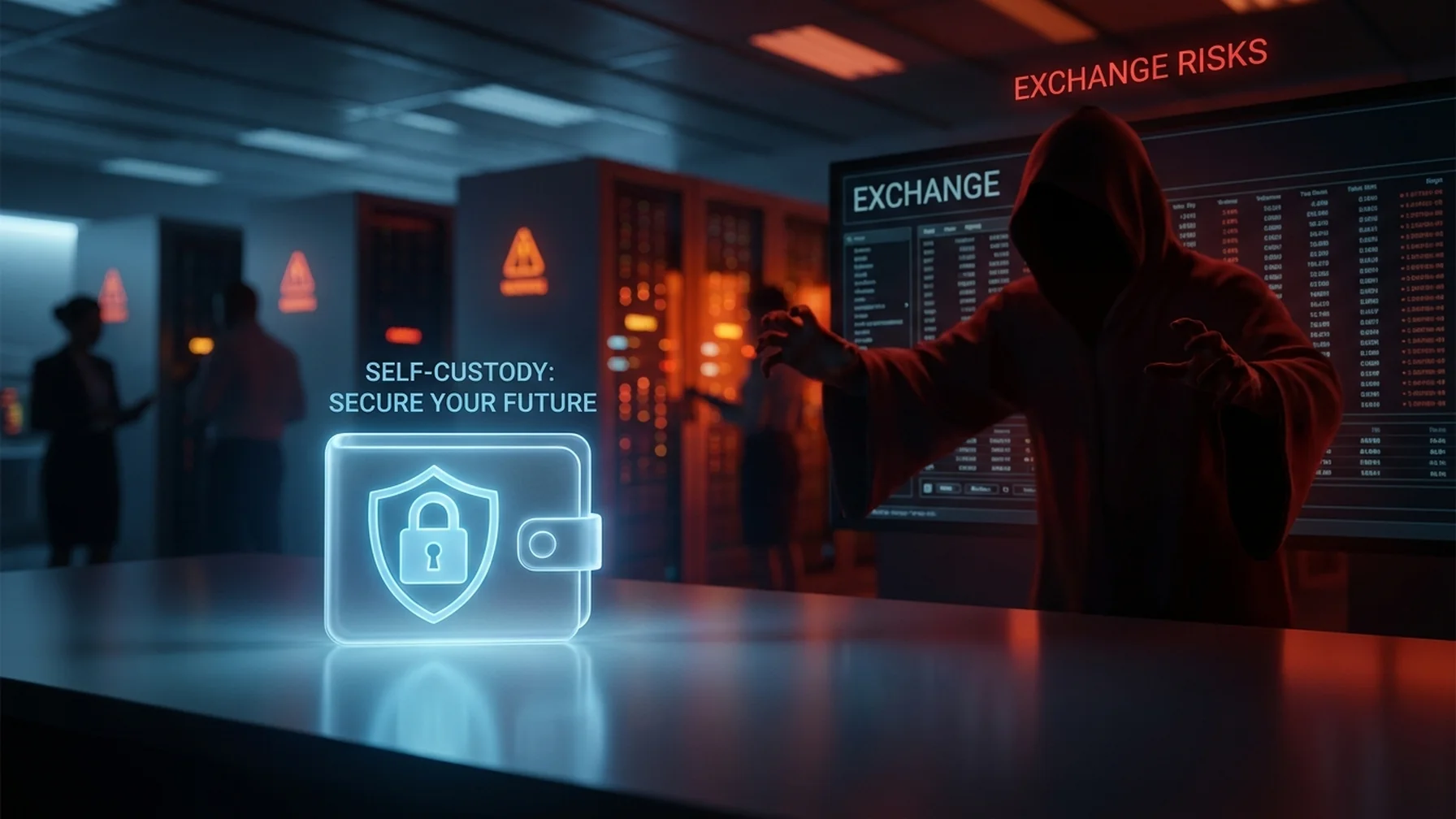
Understanding the Risks of Storing Crypto on Exchanges
Learn the risks of storing crypto on exchanges, from hacking to insider threats. Make informed decisions to secure your digital assets effectively.
In this article
Cryptocurrency exchanges offer a convenient way to trade digital assets, but storing crypto on these platforms comes with significant risks. By understanding these risks, you can make informed decisions about how to secure your crypto holdings effectively.
Key Risks of Storing Crypto on Exchanges
When considering the risks of storing cryptocurrency on exchanges, it's essential to understand the various threats that users face. The following table outlines key risks associated with this practice.
Risks Associated with Exchange Storage
| Risk | Description |
|---|---|
| Hacking | Exchanges are prime targets for hackers, and breaches can lead to massive losses of user funds. |
| Insider Threats | Employees at exchanges may steal funds or expose user data, leading to trust issues. |
| Lack of Regulation | Many exchanges operate in a regulatory gray area, increasing the risk of fraud and misconduct. |
| Withdrawal Restrictions | Exchanges may impose withdrawal limits or freeze accounts, making it difficult to access funds. |
| Market Volatility | Exchanges can be highly volatile, leading to fast price changes that can affect stored assets. |
This table highlights the main risks that users should be aware of when they choose to store their cryptocurrencies on exchanges. Understanding these risks can help investors make informed decisions and take necessary precautions.
Self Custody: An Alternative to Exchange Storage
Self custody refers to the practice of individuals holding and managing their own cryptocurrency, rather than relying on third-party services like exchanges. When you choose self custody, you control the private keys associated with your digital assets. This means you are responsible for securing your crypto, which can be done through software wallets, hardware wallets, or paper wallets.
Pros and Cons of Self Custody
Self custody of cryptocurrency involves holding your own private keys rather than storing them on an exchange. This option comes with its own set of advantages and disadvantages. Understanding these can help you make an informed decision about whether self custody is right for you.
- Pros:
- Full control over your assets
- Improved security against exchange hacks
- Privacy and anonymity
- Cons:
- Risk of losing access if keys are lost
- Responsibility for personal security measures
- Lack of customer support
By evaluating these pros and cons, you can better decide if self custody aligns with your cryptocurrency management needs.
Steps to Successfully Manage Self Custody
To successfully manage self custody, consider the following steps:
- Securely store your private keys offline.
- Use hardware wallets for added security.
- Regularly back up your wallet information.
- Educate yourself on security best practices.
By following these steps, you can ensure that your digital assets are more secure and under your full control.
Self Custody vs. Exchange Storage: A Comparison
Storing crypto on exchanges can be risky due to potential hacks, regulatory changes, or even exchange insolvency. With self custody, you minimize these risks by having direct control over your assets. Here are some key differences:
- Security: Exchanges are frequent targets for hackers, while self custody can provide stronger security if managed properly.
- Control: Self custody ensures that you have complete control over your funds, whereas exchanges hold your private keys.
- Accessibility: Exchanges offer ease of use, but self custody requires understanding and managing your security protocols.
Understanding these differences can help you choose the best method for safeguarding your cryptocurrency.
"Not Your Keys, Not Your Coins"
The phrase "not your keys, not your coins" emphasizes the importance of owning your private keys. If your crypto is stored on an exchange, the platform controls your keys. This means that if the exchange is hacked or goes offline, you might lose access to your assets. Self custody allows you to maintain ownership and control.
Conclusion: Staying Safe in Crypto
Navigating the crypto world requires diligence and awareness. By understanding the risks of storing crypto on exchanges and taking proactive steps towards self custody, you can better protect your digital assets. Remember, "not your keys, not your coins" serves as a crucial reminder of the importance of owning your private keys. Stay informed and secure your crypto investments wisely.